
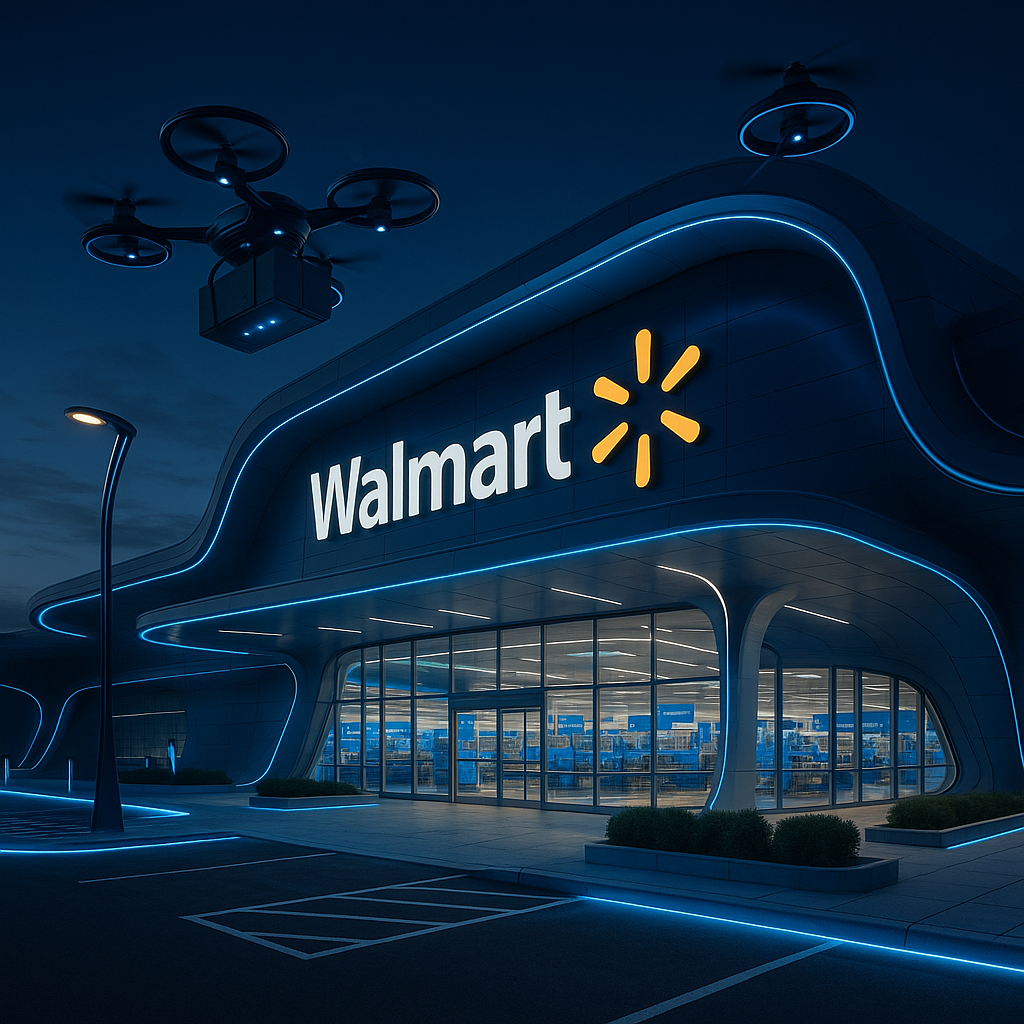

Computer Vision Applications Transforming Modern Retail Operations
Computer vision technology has emerged as a transformative force in retail, enabling unprecedented automation and insights. From cashier-less stores to intelligent inventory management, visual AI is reshaping how retailers operate.
Automated Checkout Systems
The most visible application of computer vision in retail is automated checkout systems. These solutions use multiple camera angles and advanced object recognition to identify products as customers select them, enabling walk-out shopping experiences. Major retailers report 30-40% faster transaction times and significantly reduced labor costs, though implementation requires substantial upfront investment and careful calibration.
Real-Time Inventory Management
Computer vision systems can monitor shelf stock levels continuously, automatically detecting when products need restocking. Advanced implementations recognize specific SKUs, track product orientation, and even identify pricing discrepancies. This real-time visibility helps retailers maintain optimal stock levels and reduces the labor-intensive manual inventory audits.
Customer Journey Analytics
Modern computer vision platforms track anonymous customer movements throughout stores, providing insights into shopping patterns, popular pathways, and engagement hotspots. These analytics help optimize store layouts, improve product placement, and identify opportunities for enhanced customer service without compromising individual privacy.
Loss Prevention and Security
AI-powered security cameras can identify suspicious behaviors, detect shoplifting attempts, and alert security personnel in real-time. Unlike traditional surveillance systems that require constant human monitoring, computer vision systems automatically flag unusual activities, allowing security teams to focus on genuine threats rather than reviewing hours of footage.
Quality Control and Compliance
In grocery and food retail, computer vision helps maintain quality standards by identifying expired products, monitoring temperature-sensitive displays, and ensuring compliance with food safety regulations. Automated systems can detect issues like damaged packaging or improper product placement that might otherwise go unnoticed.
Implementation Challenges
Despite its potential, computer vision implementation faces several challenges. Lighting conditions, camera placement, and system calibration significantly impact accuracy. Privacy concerns require careful consideration of data collection and storage practices. Additionally, the technology requires ongoing maintenance and regular updates to maintain effectiveness.
Future Developments
Emerging trends include integration with augmented reality for enhanced customer experiences, improved edge computing capabilities for real-time processing, and more sophisticated behavioral analysis for personalized recommendations. As the technology matures, we can expect broader adoption and more innovative applications across retail environments.
The success of computer vision in retail depends on careful planning, proper implementation, and ongoing optimization. Retailers considering these technologies should start with pilot programs to evaluate effectiveness in their specific environments before scaling deployment.