
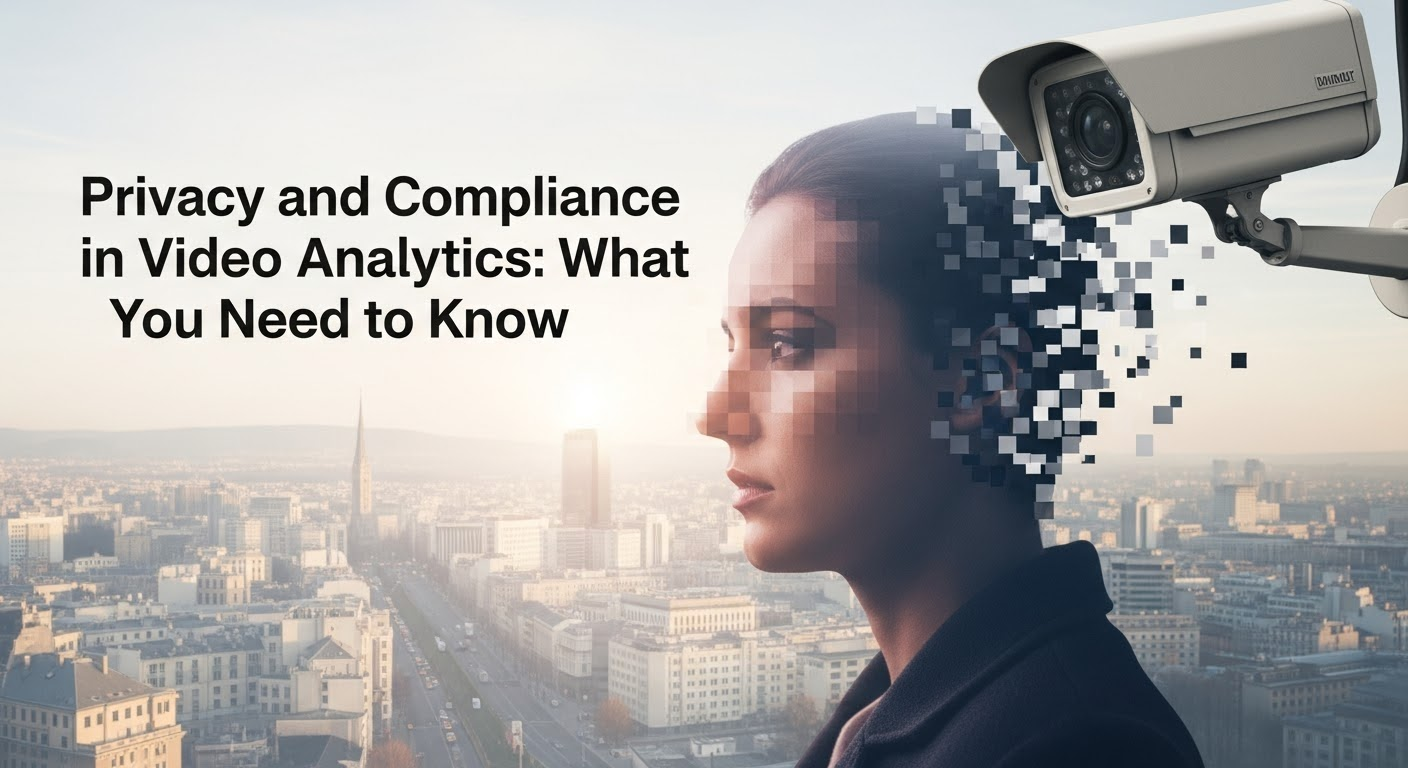
Privacy and Compliance in Video Analytics: What You Need to Know

Sarah Mitchell
Implementing video analytics in retail environments requires careful consideration of privacy regulations and compliance requirements. Retailers must balance the need for security and operational insights with the rights of customers and employees to privacy.
Understanding Privacy Regulations
Several key regulations govern the use of video analytics in retail, including the General Data Protection Regulation (GDPR) in Europe and the California Consumer Privacy Act (CCPA) in the United States. These laws impose strict requirements on data collection, storage, and use, and retailers must ensure their video analytics systems comply with these regulations.
Implementing Privacy-Enhancing Technologies
To protect privacy, retailers can implement several technologies, including anonymization, pseudonymization, and edge processing. Anonymization techniques remove personally identifiable information from video data, while pseudonymization replaces direct identifiers with pseudonyms. Edge processing analyzes video data locally, reducing the need to transmit sensitive information to the cloud.
Transparency and Consent
Retailers should be transparent about their use of video analytics and obtain consent from customers and employees where required by law. Clear signage and privacy policies can help inform individuals about how video data is collected and used.
Data Security Measures
Protecting video data from unauthorized access and breaches is essential for maintaining privacy and compliance. Retailers should implement robust security measures, including encryption, access controls, and regular security audits.
Regular Compliance Audits
To ensure ongoing compliance with privacy regulations, retailers should conduct regular audits of their video analytics systems. These audits should assess data collection practices, security measures, and compliance with privacy policies.