
Top 5 Retail Analytics Trends Transforming Shopping in 2024

De Flow AI Team
The Analytics Revolution in Retail
Retail analytics has evolved from simple sales reporting to sophisticated AI-driven insights that transform every aspect of the shopping experience. Here are the five most impactful trends shaping retail in 2024.
1. Real-Time Customer Journey Analytics
What's New
Advanced tracking systems now provide minute-by-minute insights into customer behavior across all touchpoints - from online browsing to in-store movement patterns.
Key Capabilities
- Cross-channel customer tracking
- Heat mapping of physical store areas
- Dwell time optimization
- Conversion funnel analysis
What It Lets You Decide
- Which aisles lose people, so a layout change can be tested against something rather than guessed at
- Where dwell time and conversion diverge — high attention with low purchase is usually a price, stock or signage problem, and the data tells you which
- Whether a change you already made did anything, measured against your own before-state
No percentage improvement is quoted here on purpose: the effect depends entirely on how badly laid out the store is now, and nobody can tell you that from the outside.
2. Predictive Inventory Management
Beyond Traditional Forecasting
Machine learning models now consider hundreds of variables including weather patterns, social media trends, local events, and economic indicators to predict demand with unprecedented accuracy.
Advanced Features
- Micro-location demand forecasting
- Dynamic safety stock optimization
- Automated supplier communications
- Price elasticity modeling
What Changes In Practice
- Overstock and stockouts stop being discovered at the count and become visible while there is still time to act
- Safety stock can be set per location instead of one number applied everywhere
- Working capital tied up in slow-moving lines becomes measurable, which is the precondition for reducing it
The size of the gain depends on your current forecasting accuracy and how much stock already turns fast. Both are yours to measure; neither is knowable from a benchmark.
3. AI-Powered Loss Prevention
Smart Security Systems
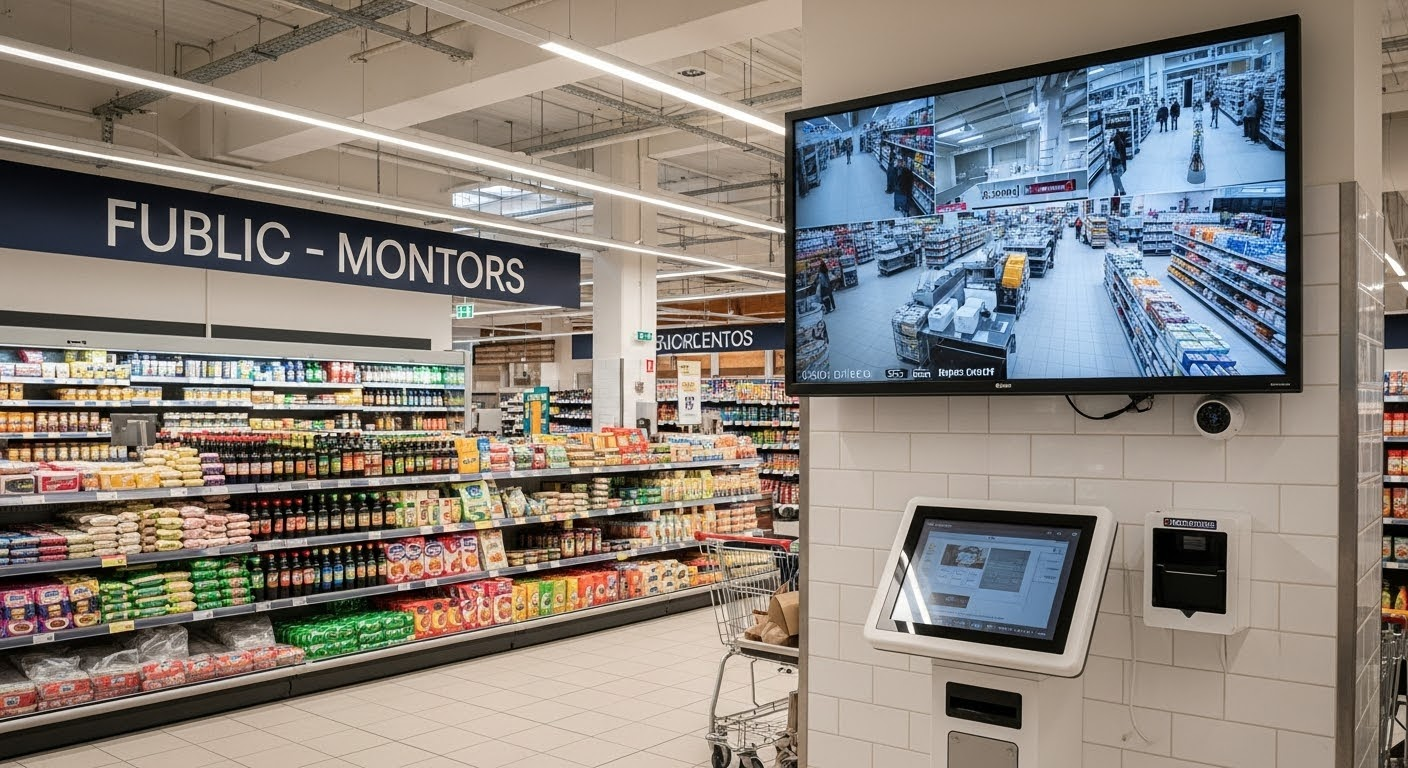
Computer vision and behavioral analytics are revolutionizing loss prevention, moving from reactive security to proactive threat detection.
Technology Components
- Behavioral anomaly detection
- Behaviour-based detection that does not identify individuals — no facial recognition
- Suspicious activity alerts
- Integration with POS systems
What It Actually Produces
- Suspicious-activity alerts arrive while the person is still in the store rather than at the next stock count
- Each alert carries the till exception from the same moment, so a reviewer sees both and can dismiss the innocent ones quickly
- Fewer confrontations based on suspicion alone, because the evidence is reviewed before anyone is approached
- Staff time goes to reviewing flagged events instead of watching live feeds
An alert is a signal to look, not proof of theft. Treating it as a conclusion is how these systems produce false accusations.
4. Personalized Pricing and Promotions
Dynamic Pricing Evolution
Retailers are implementing sophisticated algorithms that adjust prices and promotions in real-time based on individual customer profiles, demand patterns, and competitive landscape.
Personalization Factors
- Purchase history analysis
- Price sensitivity modeling
- Competitive price monitoring
- Inventory turnover optimization
What It Informs
- Which promotions moved volume and which moved it from full-price to discounted stock
- Where margin is being given away through markdowns that were not needed to sell the item
- Whether a basket-size initiative changed behaviour or coincided with seasonality
Any figure attached to these depends on your current margin discipline, which is exactly what is being measured.
5. Omnichannel Attribution Analytics
Breaking Down Silos
Advanced attribution models now accurately track the customer journey across all channels, providing clear ROI visibility for every marketing touchpoint.
Attribution Capabilities
- Multi-touch attribution modeling
- Cross-device customer identification
- Channel contribution analysis
- Marketing mix optimization
Strategic Benefits
- More accurate marketing budget allocation
- Better understanding of channel synergies
- Improved customer lifetime value calculations
- Enhanced campaign performance measurement
Implementation Strategies
Getting Started
- Assess Current Capabilities: Audit existing data sources and analytics tools
- Prioritize Use Cases: Focus on areas with highest potential ROI
- Invest in Infrastructure: Ensure robust data collection and processing capabilities
- Build Analytics Teams: Develop internal expertise or partner with specialists
- Start Small, Scale Fast: Implement pilot programs before full deployment
Success Factors
- Data quality and governance
- Cross-functional collaboration
- Change management and training
- Continuous optimization and learning
Looking Ahead
These trends represent just the beginning of the analytics transformation in retail. As AI continues to advance and data becomes more accessible, we can expect even more sophisticated insights and automation capabilities.
Retailers who embrace these analytics trends now will be better positioned to compete in an increasingly data-driven marketplace, delivering superior customer experiences while optimizing their operations for maximum efficiency and profitability.
Want to see how this works in your stores?
Tell us about your business and we’ll come back with a practical plan — no commitment.